20+
Hours of Instruction
Regional
How the Material Is Organized
Perfect 800s
Scored by multiple SPEC Candidates
Live
Office Hours Included
YOUR EXPERIENCE STILL COUNTS
You Haven't Forgotten How to Be a Doctor
You may simply not have thought about some of this material in years. That's an important distinction.
If you've been away from practice, preparing to return to practice, changing licensure, or have another reason you're required to take SPEC, opening board-review material again can feel overwhelming.
Conditions you haven't treated recently. Terminology you haven't used since school. X-ray findings you haven't reviewed in years. Orthopedic tests you haven't needed in your particular style of practice. Details you once knew, but haven't had a reason to retrieve for a very long time.
That doesn't erase your clinical experience.
My job is to help you reconnect with it.
Throughout this program, I take the review material and connect it back to patients, presentations, and clinical situations you may already recognize from your years in practice.
"Instead of asking your brain to learn everything as brand-new information, we're often asking: where have I seen this before?"
That changes the way you study.
Why I Give SPEC Doctors a More Detailed Review
I made a very deliberate decision when I created this program.
I would rather give you more clinical review than assume you still remember something you learned 10, 20, or 30 years ago.
That's why the Chiro Boards & Beyond SPEC Review is built from the depth of my Part III clinical review.
You receive detailed instruction in:
Neuromusculoskeletal Diagnosis
Clinical Presentations and Differential Diagnosis
Extensive Diagnostic Imaging and X-ray Review
Chiropractic Technique and Procedures
General Diagnosis
Case Management
Clinical Reasoning
Board-style Question Strategy
Testing Samples and Practice Questions
Some of this material may come back immediately. Some of it may make you say, "I haven't thought about that since chiropractic school."
Good. That's why we're reviewing it now, before the exam asks you about it.
Organized by Body Region,
Not as Disconnected Information
One of the most important differences in my SPEC Review is how the clinical information is organized.
I don't want you studying diagnosis in one isolated section, neuromusculoskeletal conditions somewhere else, X-ray somewhere else, and procedures somewhere else, then expecting your brain to somehow pull all those pieces together during a clinical question.
Instead, I organize much of the material by body region.
Why? Because that's how doctors think clinically.
SAMPLE CASE:
A patient doesn't walk into your office labeled "Neuromusculoskeletal Diagnosis". They walk in saying, "My neck hurts," "My shoulder hurts," "I'm having numbness down my arm," or "My low back pain is going into my leg."
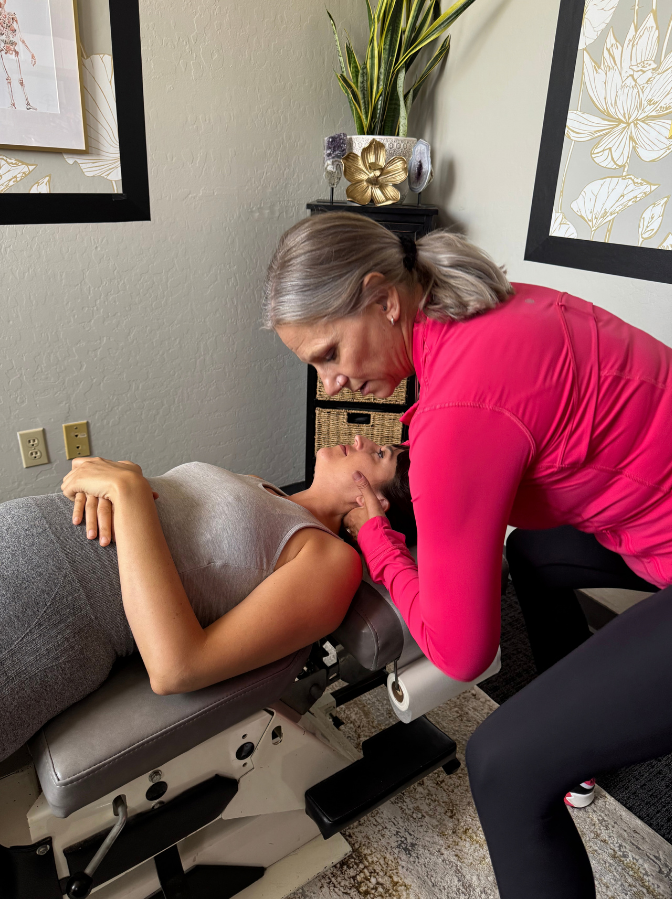
Now your clinical brain starts working.
That's the thinking process we're reconnecting to SPEC.
Less Disjointed Information.
More Complete Clinical Pictures.
When we study by body region, related information begins to reconnect.
Now we're connecting new review information to something much stronger than memorization. We're connecting it to your existing clinical experience.Maybe you treated that condition hundreds of times. Maybe you only saw it twice. Maybe you remember exactly what that patient looked like when they walked into your office.
Those clinical memories become retrieval pathways. That's something we can use.
WHAT'S COVERED
20+ Hours of Detailed Clinical Review
The Chiro Boards & Beyond SPEC Review includes more than 20 hours of on-demand recorded instruction designed to provide the depth of review that may be especially valuable when you've been away from academic material for an extended period.
Revisit systemic disease, clinical presentations, laboratory concepts, diagnostic patterns, and the conditions you may not have reviewed in detail for years. We connect those concepts back to the way a patient might actually present.
Review spinal and extremity conditions regionally, comparing presentations and helping you distinguish diagnoses with overlapping findings. Instead of memorizing another list, we'll work on rebuilding the clinical pattern.
Reconnect with the chiropractic procedures and technique concepts relevant to the examination, including material you may not routinely use in your current or previous style of practice.
You receive the detailed X-ray instruction incorporated into my Part III clinical review. You may or may not encounter actual radiographic films in the exact way you expect on your examination, but I intentionally include the deeper imaging review.
Imaging is another way to strengthen your understanding of pathology, clinical presentation, differential diagnosis, and the complete patient picture.
Bring the pieces together and think through what happens next.
- What does this patient need?
- What is appropriate?
- What needs additional evaluation?
- What changes the management decision?
This is where remembering information becomes clinical reasoning.
Sports Medicine Is More Than Orthopedic Injuries
When people think about sports chiropractic, they often immediately think about shoulders, knees, ankles, and spinal injuries. But the CCSP examination requires a much broader understanding of the athlete — this review reaches well beyond musculoskeletal diagnosis.
The completed program will cover areas including:
THE WHOLE ATHLETE
- Sports Physiology
- Biomechanics
- Sports Nutrition
- Concussion
- Special Conditions
PRACTICE & READINESS
- Team Concepts
- Medico-Legal Concepts
- Environmental Considerations
- Emergency Procedures
- Injury Prevention
- Adjunctive Therapies
REGIONAL PATHOLOGY & IMAGING
- Spinal Pathologies
- Upper Extremity Pathologies
- Lower Extremity Pathologies
- Diagnostic Imaging & X-Ray
The goal is to help you organize this broad body of information into something you can understand, retrieve, and apply.
Start My CCSP Review:
Approximately 15 to 16 Hours of Comprehensive CCSP Instruction
When completed, your CCSP Board Review will contain approximately 15 to 16 hours of recorded lecture material covering the major areas of sports chiropractic examination preparation.
Sports Physiology
Review the physiological demands of exercise and athletic performance, then connect those concepts to the athlete you're evaluating and managing.
Team Concepts
Understand the role of the sports chiropractor within the larger sports medicine environment, including working with athletes, coaches, trainers, and other healthcare professionals.
Concussion
Review concussion assessment and management concepts, including recognition, evaluation, clinical decision-making, and return-to-activity considerations.
Biomechanics
Connect biomechanics to athletic movement, injury mechanisms, examination findings, and clinical management.

Sports Nutrition
Review the nutritional concepts relevant to athletic performance, recovery, hydration, and the needs of active patients.

Environmental Considerations
Prepare for conditions related to the athlete's environment, including the factors that can affect performance, safety, and medical decision-making.

Medico-Legal Considerations
Review the professional, legal, documentation, and decision-making concepts that become particularly important when caring for athletes.
Adjunctive Therapies
Organize the adjunctive treatment approaches that may be incorporated into sports chiropractic management.
Special Conditions
Review important special populations and conditions that can affect athletic participation, examination, management, and return-to-play decisions.
Injury Prevention
Move beyond treating an injury after it occurs.
Review the concepts involved in identifying risk, reducing injury potential, and helping athletes participate more safely.
Emergency Procedures
Know how to recognize when an athletic situation has moved beyond routine musculoskeletal care and requires immediate action. We'll review the concepts and sequencing that matter when you're managing an emergency rather than simply memorizing isolated procedures.
Then We Take a Regional Approach to Sports Injuries
Once we move into the musculoskeletal material, I organize the information in a way that helps you see the complete clinical picture.
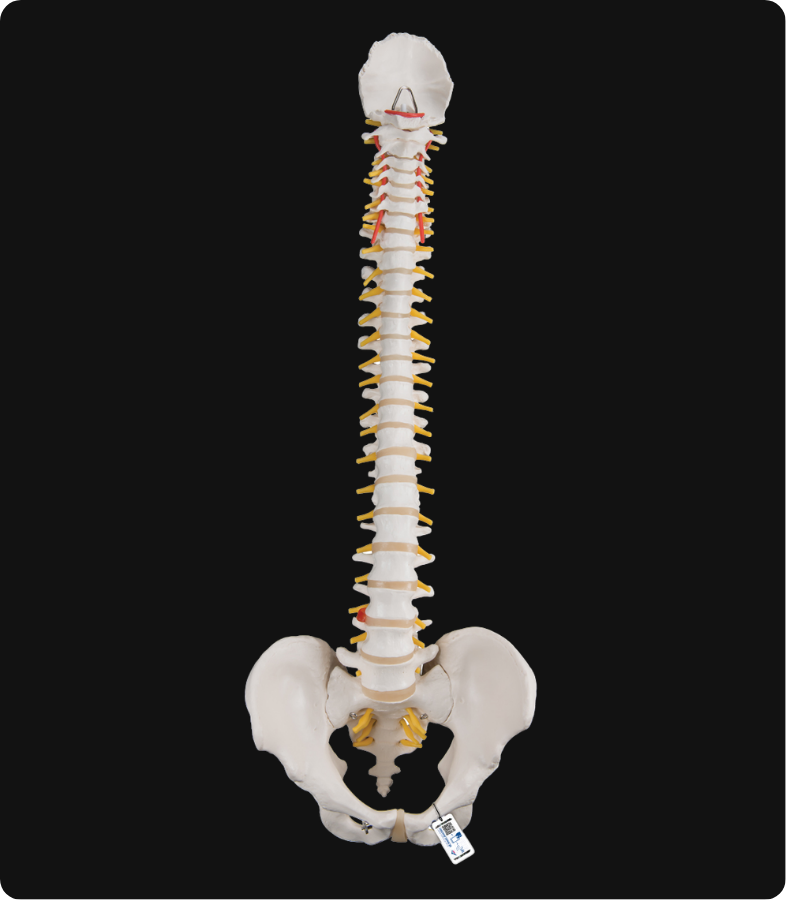
Spine
Review common spinal conditions and injuries relevant to sports chiropractic, including presentation, examination findings, management considerations, and relevant imaging.
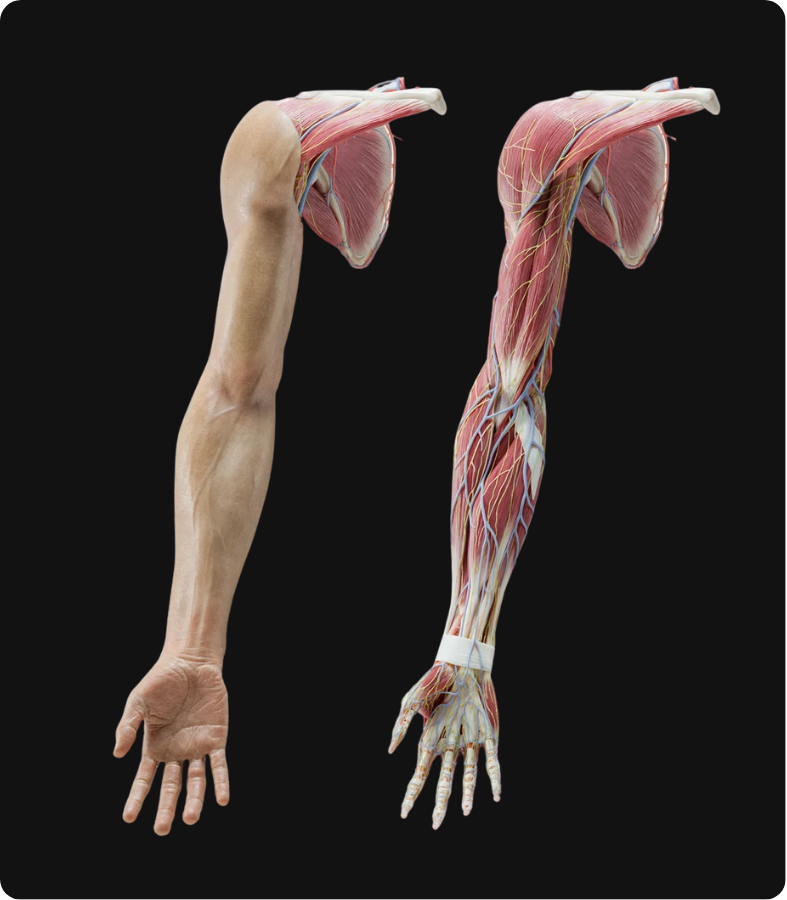
Upper Extremity
Work through common athletic conditions involving the shoulder, elbow, wrist, and hand. Instead of memorizing a collection of injury names, we connect:
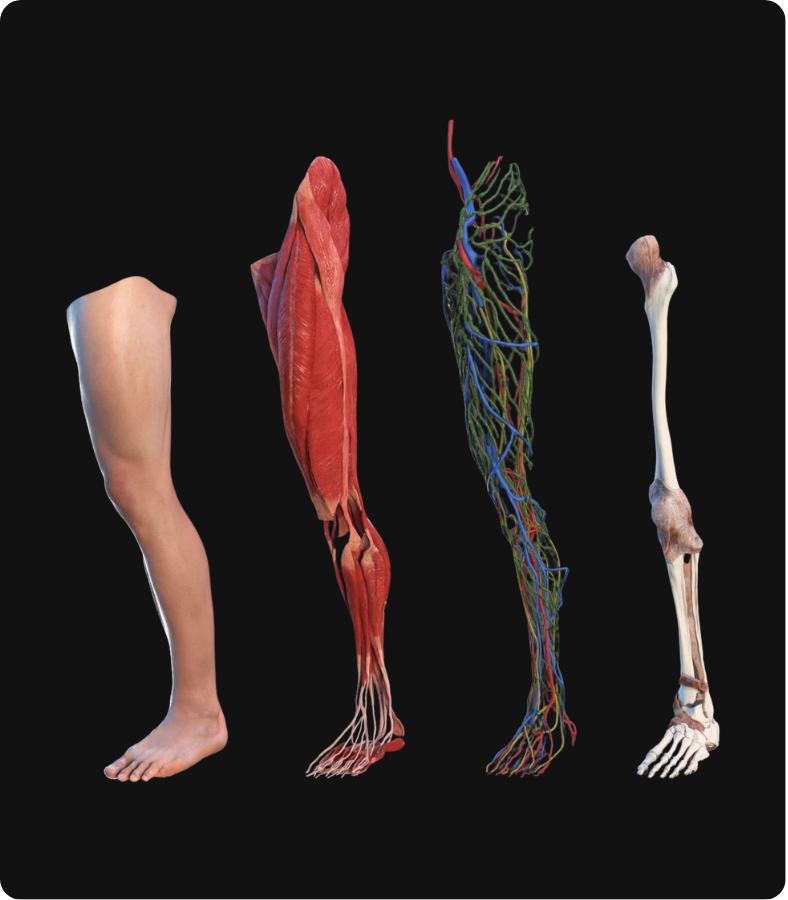
Lower Extremity
Apply the same approach to the hip, knee, lower leg, ankle, and foot.
That's clinical reasoning, not just memorization.
Knowing the Material Isn't Enough.
You Have to Apply It.
That's why I'm incorporating Putting It Together instruction into the CCSP Review.
We'll take the information you've learned and work through potential test questions and clinical scenarios.
Instead of simply asking:
“Do I remember this fact?”


We start asking:
This is where the individual pieces begin becoming clinical reasoning.
Learn it. Connect it. Apply it.
TEST STRATEGY
Learn the Content, Then Learn How It May Be Tested
One of the themes you'll recognize throughout Chiro Boards & Beyond is that I don't believe exam preparation should stop with content review.
You also need to understand how multiple-choice questions work.
Throughout the CCSP Review, I'll highlight concepts that are likely to create confusion and help you recognize:
- Similar conditions with overlapping findings
- Important differentiating features
- Plausible distractors
- Questions where more than one statement may sound correct
- Small details that change the best answer
And one of my most important testing rules still applies: Answer the question they actually asked.
Start Studying Today:
Built by a Chiropractor Who Understands Both Sides of Sports Medicine
Sports medicine has been part of my professional background long before creating this course.
I bring experience from both allopathic sports medicine and chiropractic practice into the way I teach this material.
That perspective allows us to look at more than simply:
“What is the diagnosis?”
I want you thinking:
This Is Board Prep You Can Bring Back to the Office
Passing the CCSP examination is the immediate goal.
But this isn't information you should forget once the test is over.
You're preparing for a sports chiropractic credential because you want to expand what you can do for athletes and active patients.
The test is one day.
The clinical knowledge comes back to the office with you.
That's the “Beyond” in Chiro Boards & Beyond.
STUDY ON YOUR OWN SCHEDULE
Study around your practice, not the other way around.
Most doctors preparing for the CCSP examination aren't sitting in a classroom all day. You're seeing patients, running a practice, managing a family, completing continuing education — and somehow fitting exam preparation into everything else.
That's exactly where on-demand learning becomes valuable.
Watch the lectures when your schedule allows. Pause when a patient walks in. Rewatch a difficult concept. Return to concussion. Go back through emergency procedures.
The classroom waits for you.
On-Demand Doesn't Mean On Your Own
You're not purchasing 15 to 16 hours of recorded material and then being expected to figure everything else out by yourself. Your CCSP Review also includes access to scheduled live online Office Hours with Dr. Jo.
As you're working through the program, bring your questions.
- Confused about an injury presentation? Ask.
- Want clarification on a concussion concept? Bring it.
- Can't differentiate two similar orthopedic conditions? Let's work through them.
- Have a question about a potential test question? Let's break it apart.
- Confused about an injury presentation? Ask.
- Want clarification on a concussion concept? Bring it.
- Can't differentiate two similar orthopedic conditions? Let's work through them.
- Have a question about a potential test question? Let's break it apart.
Office Hours allow you to combine the flexibility of on-demand learning with opportunities for live instructor support and clarification.
Learn on your schedule. Get live support when you need it.
OFFICE HOURS ROTATION
| Week 1 | Wednesday mornings |
| Week 2 | Wednesday evenings |
| Week 3 | Saturday afternoons |
| Week 4 | Rotation repeats |
Office Hours are offered at scheduled times and may rotate to accommodate students in different time zones.
What You Get With Your
Part IV With Diagnostic Imaging
01
Approximately 15 to 16 hours of comprehensive recorded instruction
02
Sports Physiology
03
Team Concepts
04
Concussion
05
Biomechanics
06
Sports Nutrition
07
Environmental Considerations
08
Medico-Legal Concepts
09
Adjunctive Therapies
10
Injury Prevention
11
Emergency Procedures
12
Special Conditions
13
Spinal Pathologies
14
Upper Extremity Pathologies
15
Lower Extremity Pathologies
16
Relevant X-ray and Diagnostic Imaging findings
17
Putting It Together instruction using potential test questions and clinical scenarios
18
Clinical reasoning and differential diagnosis
19
Multiple-choice question strategy
20
Common distractors and testing traps
21
Supporting study materials
22
The ability to pause, rewind, and rewatch
23
Scheduled live online Office Hours with Dr. Jo
24
Clinical connections you can carry into your sports chiropractic practice
Start My CCSP Review Now:
WANT MORE INDIVIDUALIZED CCSP PREPARATION?
Add 1:1 tutoring with Dr. Jo
The recorded program gives you the comprehensive foundation.
Private tutoring lets us focus specifically on your weak areas.
We can work through sports injury presentations, concussion, emergency procedures, extremity conditions, imaging, or potential exam questions.
If you've completed the review and are getting closer to your testing date, tutoring also gives us an opportunity to identify the areas that still need attention instead of spending your final preparation time reviewing everything again.
The course gives you the framework. Tutoring lets us focus on YOU.
Frequently Asked Question
Is the CCSP examination an NBCE board exam?
How often is the CCSP examination offered?
How much material is included in the CBB CCSP Review?
Does the course include test questions?
Is Diagnostic Imaging included?
Can I rewatch the lectures?
Is this course only about passing the examination?
What if I have questions while taking the course?
What if I want individualized help before the exam?
You're Not Just Adding Letters After Your Name.
You don't need to build your own study program from pieces of different courses. I've already done that for you.
Then take that knowledge back to your patients.
Prepare for the test.
Strengthen your sports medicine knowledge.
Bring it back to the athlete in front of you.
That's CCSP preparation with Chiro Boards & Beyond.
Not sure where to start? That's what the free consult is for.