~20
Hours of Instruction
Greeley, CO
Built for the Assessment Center Format
20+
Years Teaching Boards
Live
Office Hours Included
The Part IV Exam Changed.
Your Preparation Needs to Change With It.
The new Part IV format is much more integrated.
You're being asked to move through a patient encounter, gather the appropriate history, determine which examinations are relevant, perform those examinations correctly, communicate with the patient, and document what happened.
THE OLD APPROACH
Memorizing disconnected lists of orthopedic tests.
WHAT THIS PROGRAM BUILDS INSTEAD
Preparation for the flow of the actual encounter — from the moment you begin the case until it's complete.
You aren't learning random pieces and hoping you can assemble them under pressure on test day.
We practice putting those pieces together before you get there.
Start With a Case History That Gets You the Information You Need
A strong patient encounter begins with the history.
That's why I give you a detailed case history lecture and a structured script you can practice before test day.
Under testing pressure
It's easy to…
With a reliable framework
You'll learn how to…
The goal isn't to make you sound robotic.
The goal is to give you a reliable framework so that when your nervous system is under pressure, you don't have to reinvent your history every time you enter a case.
Don't walk into the room wondering what to ask next.
Walk in with a plan.
Learn Orthopedic, Neurological, and Physical Examination Procedures by Region and Condition
The new format requires you to determine which examinations are appropriate for the patient's presentation. That's why I don't want you memorizing one enormous disconnected list of orthopedic tests.
I organize the material around body regions, clinical presentations, and conditions, because that's how you need to retrieve it when you're working through a patient case.
You'll review the relevant:
And these aren't just names written on a PowerPoint.
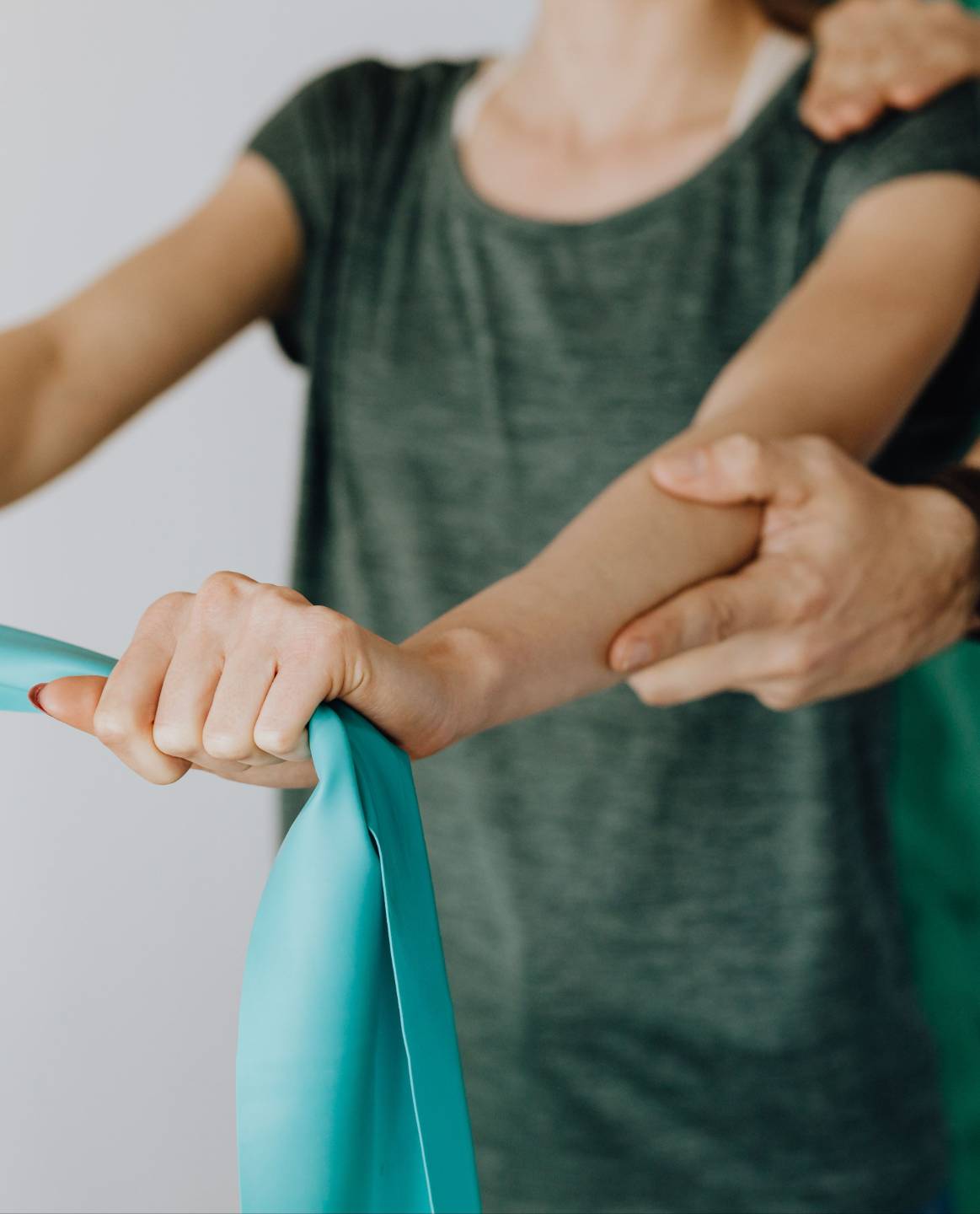
The examination procedures have supporting video demonstrations.
You can see the procedures performed while you're learning the material, then go back and rewatch them whenever you need additional review.
The goal is to know more than the name of a test.
You need to understand when to use it, how to perform it, and where it fits into the patient encounter.
Then We Put It All Together
This Is One of the Most Important Parts of the Program.
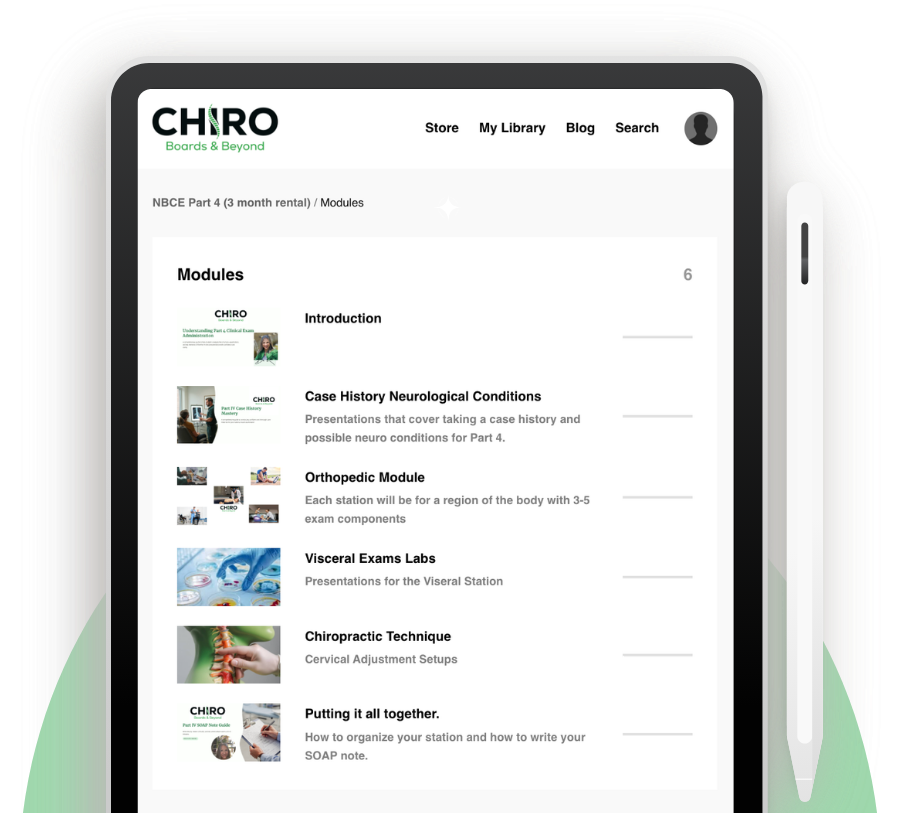
Knowing the individual pieces doesn't automatically mean you'll know how to organize them when a patient is sitting in front of you. That's why the course includes dedicated “Putting It Together” instruction.
SAMPLE CASE HISTORY:
I give you sample patient presentations and case histories, then walk you through exactly how I would organize the encounter based on the information the patient gave you.
We work through questions such as:
Instead of giving you a pile of individual procedures and expecting you to figure out how they fit together, I show you.
That's Part IV preparation for the way you're actually being tested.
Know what you're going to say before test day
Part IV isn't only testing what you know. You also have to communicate it.
Throughout the program, I give you scripts and verbal frameworks that help you organize what you need to say during different portions of the examination. That includes your:

Case history
Patient communication

Examination transitions

Report of findings
Technique verbal components
You shouldn't be standing in a testing room trying to invent the perfect sentence while the clock is running.
Practice the framework ahead of time.
Then, on test day, you can focus on the patient and the task in front of you.
SOAP Notes Should Reflect the Encounter You Just Performed
After the patient encounter, you still need to document it. The program includes detailed instruction on what is required in your Part IV SOAP note and how to organize the information efficiently.
We break down:

Subjective
What information from the patient's history belongs here?

Objective
Which examination findings need to be documented?

Assessment
How do your history and findings come together?

Plan
What is the appropriate next step based on the case?
The SOAP note shouldn't feel like an entirely separate test after the patient encounter. It should be the organized documentation of the clinical reasoning you just demonstrated.
Understand the encounter first, then document what matters.
Technique Isn't Just Knowing an Adjustment
The Technique Station requires more than remembering an adjustment setup. You need to understand the listing, determine the appropriate setup, position yourself and the patient correctly, establish your contacts, and communicate the required components cleary.
That's why the technique portion of this course is detailed.
We break down the listing system so you can understand what the listing is telling you instead of simply trying to memorize setups.
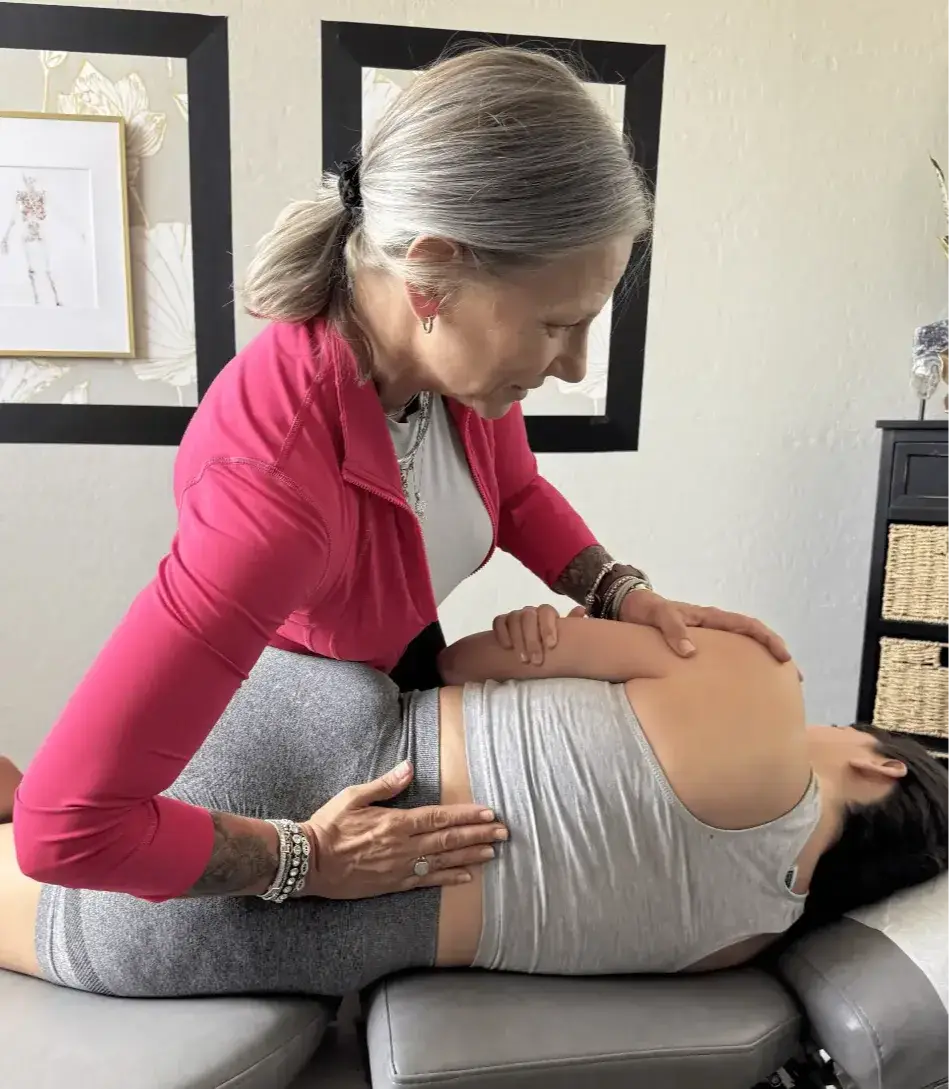
You'll learn how to determine:
Patient position
Doctor position
Appropriate side of patient contact
Patient contact point
Doctor contact point
Stabilization
Tissue slack
Line of drive
Thrust or no-thrust callout
And I give you verbal scripts for the components you need to call out during your setups. One of the biggest mistakes you can make is knowing how to perform the setup but failing to verbalize something you were expected to communicate.
Don't wait until the end of the setup to remember what you needed to say. Learn to perform and verbalize the setup together.
See the Setups
Before You Have to Perform Them
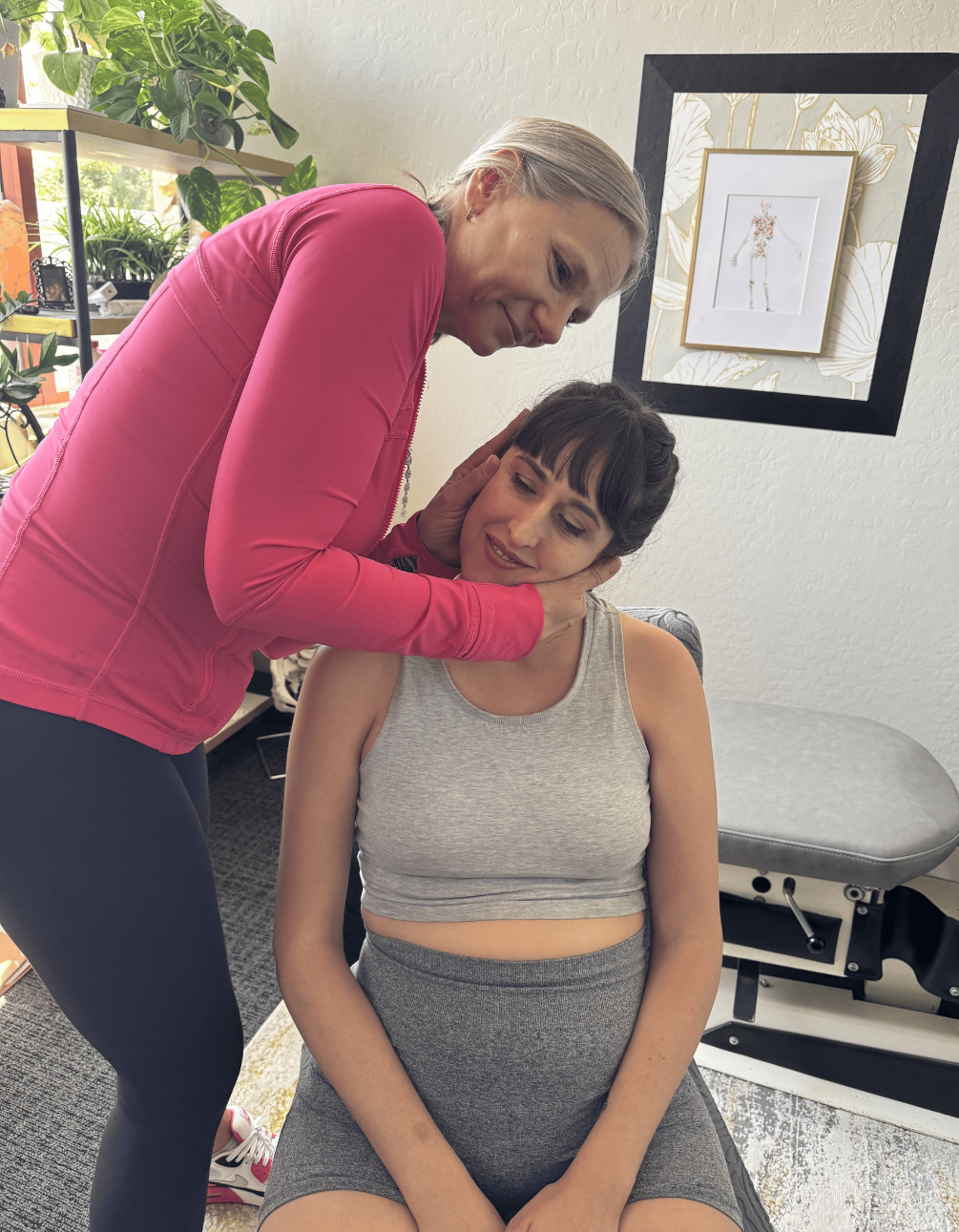
Technique is difficult to learn from words alone. That's why the program includes video demonstrations of the relevant chiropractic adjustment setups.
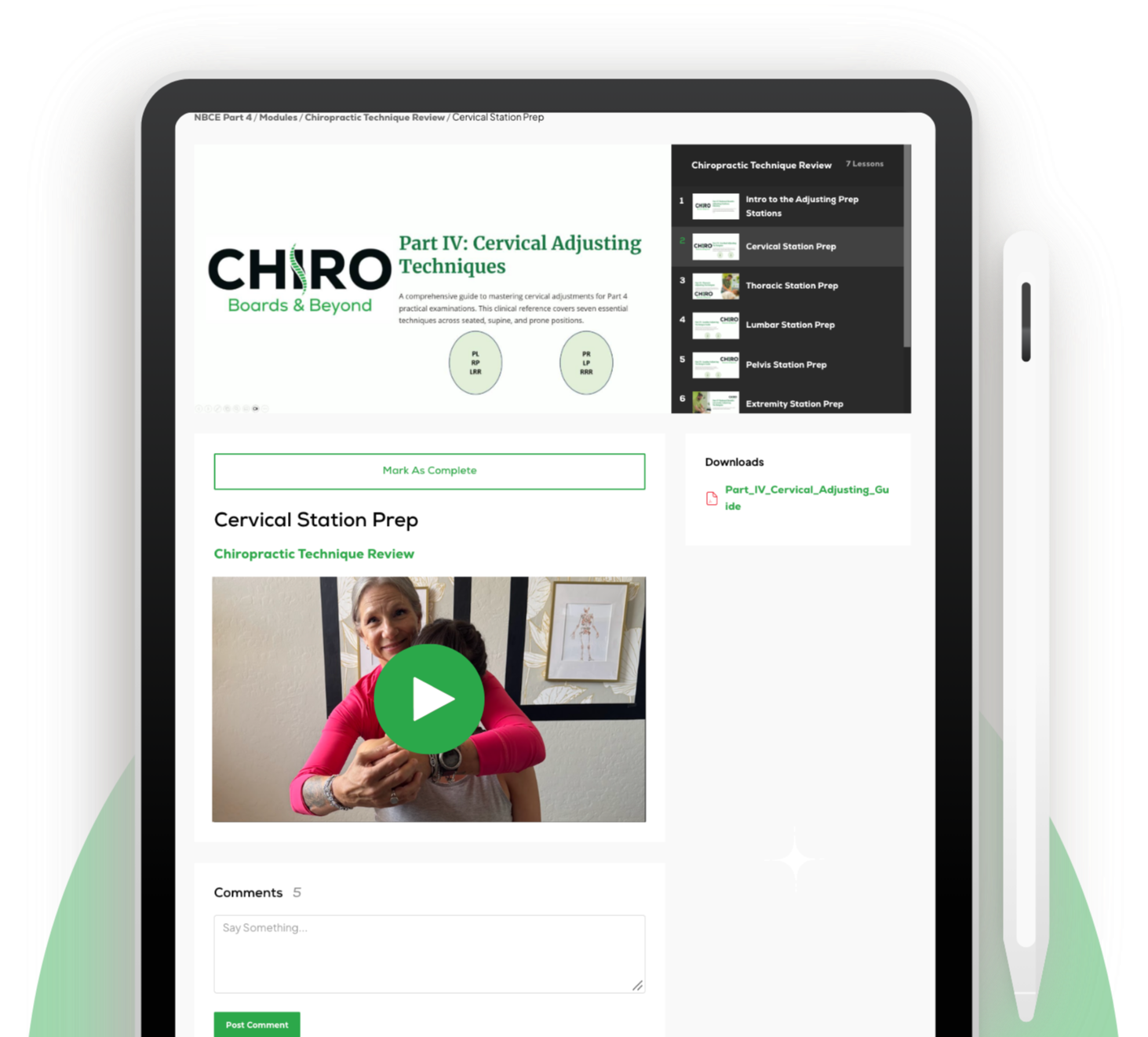
You can see:
You aren't limited to seeing the demonstration once. That's one of the biggest advantages of on-demand Part IV preparation.
Watch the Procedures, Not Just a PowerPoint About Them
The video component isn't limited to chiropractic technique. Throughout the orthopedic, neurological, and physical examination lectures, supporting videos allow you to see the procedures being performed. That matters on a practical examination.
You need to move beyond:
“I remember reading about that test.”


“I know what this looks like, why I'm doing it, and how I need to perform it.”
You can return to those demonstrations throughout your access period as many times as you need.
STUDY ON YOUR OWN SCHEDULE
Your Part IV Review Should Fit Your Test Date
With the current NBCE testing structure, your preparation shouldn't depend on whether a live review happens to be offered at exactly the right time for your exam.
Chiro Boards & Beyond is on demand.
- Start when it makes sense for your testing date.
- Study around classes, clinic, work, and life.
- Watch a demonstration again.
- Practice it.
- Return to the video.
- Run through a case.
- Go back to the “Putting It Together” lecture.
- Practice your script.
- Review your SOAP note.
- Rewatch your technique setup
The classroom waits for you.
On-Demand Doesn't Mean On Your Own
Part IV is a hands-on examination. I don't expect you to simply watch approximately 20 hours of material and figure everything else out by yourself.
Your Part IV enrollment also includes access to scheduled live online Office Hours with Dr. Jo.
As you're working through the program, bring your questions.
- Not sure which examination you would choose for a particular presentation? Ask me.
- Confused about a listing? Let's work through it.
- Unsure how to organize your examination after a particular history? Bring the case.
- Have a SOAP note question? Let's talk about it.
- Need clarification about one of the technique setups? Ask.
Learn on your schedule. Get live support when you need it.
OFFICE HOURS ROTATION
| Week 1 | Wednesday mornings |
| Week 2 | Wednesday evenings |
| Week 3 | Saturday afternoons |
| Week 4 | Rotation repeats |
Office Hours rotate to accommodate students in different time zones.
Approximately 20 Hours Built Specifically Around Part IV
01
Detailed case history instruction
02
A structured case history script to help you stay organized and capture important information
03
Orthopedic examination instruction organized by body region and condition
04
Neurological examination instruction
05
Physical examination procedures
06
Supporting video demonstrations of orthopedic, neurological, and physical examination procedures
07
Dedicated “Putting It Together” case examples
08
Sample histories with exact examples of how to select and organize the appropriate examination
09
Guidance for delivering your report of findings
10
Detailed SOAP note instruction
11
Chiropractic listing interpretation
12
Guidance for determining the appropriate side of patient contact
13
Detailed chiropractic technique setups
14
Supporting video demonstrations of relevant adjustments
15
Scripts for the required verbal components of your technique setups
16
Strategies for organizing your performance under time pressure
17
The ability to pause, rewind, and rewatch throughout your access period
18
Scheduled live online Office Hours with Dr. Jo
19
More than 20 years of chiropractic board-review teaching experience
20
Neurodivergent-friendly organization and learning strategies
21
Option to add private 1:1 Part IV tutoring
Start My Part IV Review Now:
Built for the New Format, Not Adapted From the Old One
This is an important distinction.
The new Part IV requires you to integrate skills.
So your preparation should integrate them too.
You aren't learning history in isolation.
You aren't learning orthopedics in isolation.
You aren't learning neurology in isolation.
You aren't learning SOAP notes in isolation.
And you aren't learning technique as a random collection of listings.
We're building a repeatable clinical sequence:
Listen to the patient.
Gather the right information.
Choose the appropriate examination.
Perform it correctly.
Interpret what you found.
Communicate with the patient.
Document it.
Demonstrate your technique.
That's much closer to what you're being asked to do on Part IV. And it's much closer to what you're going to do when you become a doctor.
THE BIGGER PICTURE
Part IV is where the “Beyond” becomes especially important.
This isn't just a collection of tasks you need to perform long enough to pass an examination. You're learning how to walk into a room, talk to a patient, gather information, make clinical decisions, perform an appropriate examination, explain what you found, document your encounter, and demonstrate chiropractic technique.
Those aren't just board skills. Those are doctor skills.
Classroom → Boards → Clinic
That's what we've been building toward.
WANT TO PRACTICE IT WITH ME?
Add 1:1 Part IV Tutoring
Part IV is especially well suited to individualized tutoring because watching the material and performing it yourself are two different stages of preparation.
In a private session, we can run through sample cases together — I'll give you a patient presentation, you take the history, decide what examinations you want to perform, organize your sequence, and give your report.
We'll work through your SOAP note, and we can review technique, listings, verbal components, and the areas where you're losing time or becoming unsure. Then we refine it and run another case.
The recorded program teaches you the system. Tutoring gives you the opportunity to practice applying it.
Frequently Asked Question
Is this program for the new Part IV format?
Is this the Denver Part IV review?
Does the course show the orthopedic and physical examination procedures?
Does the program teach me which examinations to choose?
Do you give me a script for the case history?
Do you teach SOAP notes?
Do you cover chiropractic technique?
Do you give scripts for the technique station?
Can I rewatch the demonstrations?
What if I have questions while I'm working through the program?
What if I want to actually practice cases with Dr. Jo?
Don't Walk Into Part IV Hoping You Can Put It All Together.
Practice putting it together before you get there.
Know the pieces.
Know the sequence.
Put it together.
Walk into Part IV prepared to perform.
That's Part IV with Chiro Boards & Beyond.
Not sure where to start? That's what the free consult is for.